
 Skip to content
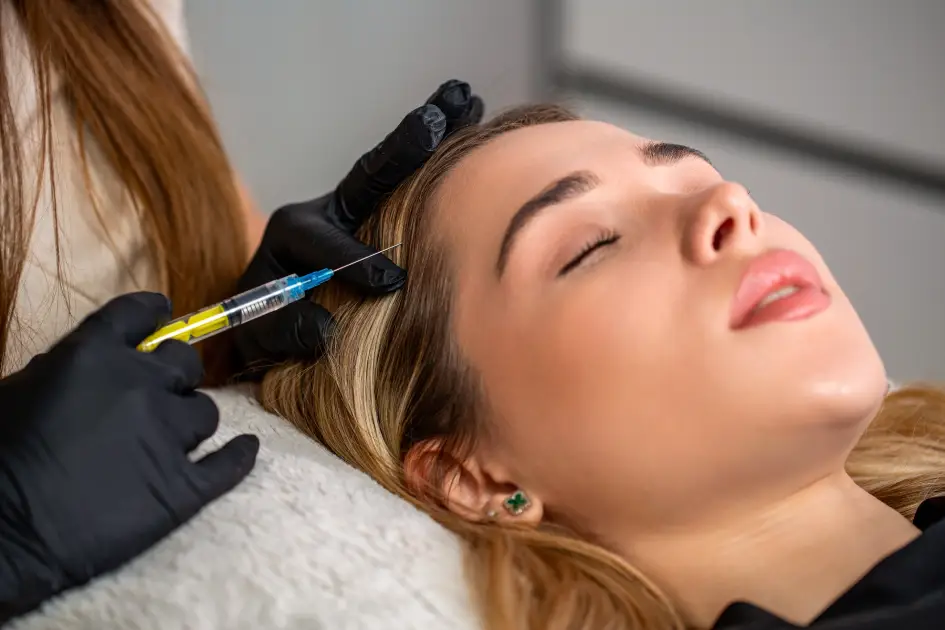
 Most people first hear about PRP therapy and assume it involves some outside serum or synthetic product. It does not. PRP uses a small sample of your own blood, processed to concentrate the part that carries your body’s natural repair signals, then returned to the skin or scalp where you want that repair to happen.
At Angelic Image Medspa in Apple Valley, MN, patients often want to understand the biology before they consider a treatment, and that curiosity is a good instinct. This post walks through the actual mechanism: where the plasma comes from, what the growth factors do once they are back in your tissue, and why the response builds over time rather than all at once.
How does PRP therapy work?
PRP therapy works by concentrating the growth factors found in a small sample of your own blood and delivering them back into the skin or scalp. Those growth factors signal your body to begin its natural repair process, which includes producing collagen and improving blood flow to the treated area.
Platelet-rich plasma is a concentrated portion of your own blood that holds a higher share of platelets than normal circulating blood. Once the clinical term is out of the way, most people simply call it PRP. The reason platelets are the focus is that they do more than help blood clot. They also store and release growth factors, the signaling proteins that direct nearby cells to repair and rebuild tissue.
PRP is an autologous treatment, which means it comes from your own body rather than from an outside donor or a manufactured substance. That is a large part of the appeal for people who prefer a natural approach with minimal downtime.
One honest point worth stating up front: PRP is FDA-cleared for certain wound-care applications, and it is used off-label for aesthetic and hair-restoration purposes. Off-label does not mean unsafe or unusual in medicine, but it does mean PRP is not a standardized, guaranteed cosmetic treatment, and any provider should be transparent about that.
The science of how PRP releases growth factors starts with platelet activation. When concentrated platelets are placed back into tissue and activated, they release their stored proteins into the surrounding area. This platelet activation mechanism triggers everything that follows.
The growth factors in PRP (PDGF, TGF-β, VEGF) each play a specific role:
Together, these signals reach fibroblasts, the cells responsible for producing collagen and elastin. Collagen gives skin its firmness, and elastin gives it the ability to spring back. As new blood vessels form, circulation improves to aging or tired tissue, which supports the repair work already underway.
These are the core PRP tissue repair mechanisms, and they explain why PRP is described as using your body’s own healing power. The plasma does not rebuild the skin directly. It concentrates and delivers the signal, and your body does the actual work.
The PRP preparation centrifugation process is what turns a routine blood sample into usable platelet-rich plasma. It happens in a few clear steps:
Because the final material is processed from your own blood, it is biologically matched to you. There is no donor product and no synthetic filler involved in the plasma itself. That biological match is one reason PRP is often chosen by patients who want their results to come from their own physiology.
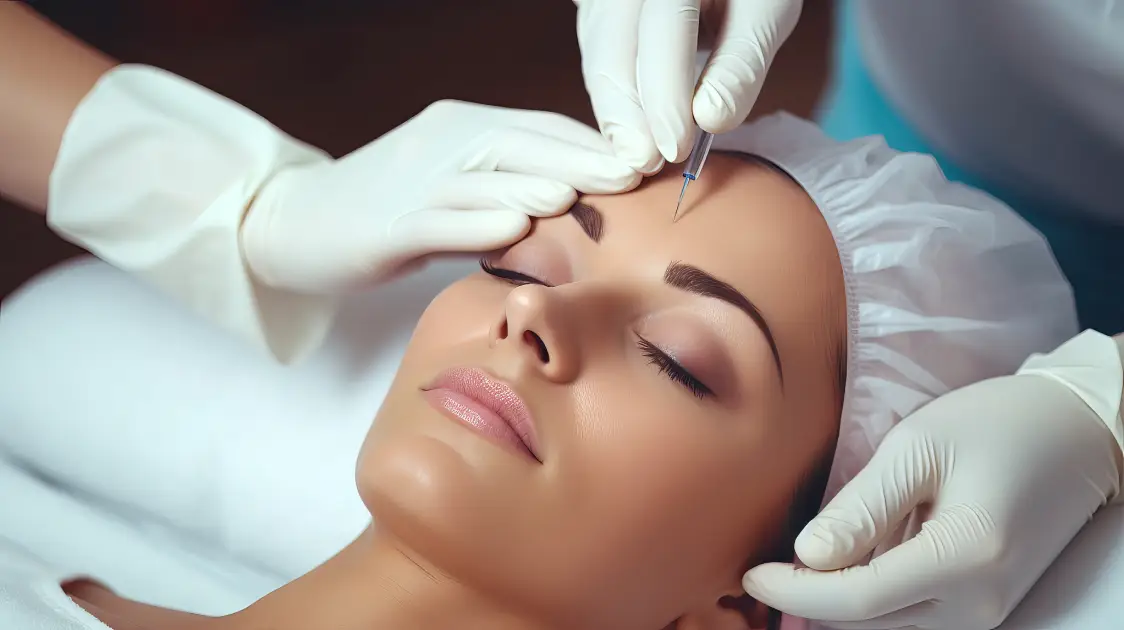
Once the plasma is ready, the delivery method determines how those growth factors reach the tissue that needs them. Two approaches are common:
Areas people most often ask about include the face for full rejuvenation, the under-eyes for dark circles and crepey skin, the neck and décolleté, the hands, and the scalp for thinning hair. The right delivery method depends on the concern being addressed and is decided with your provider during a consultation.
PRP results build over time because collagen production is a biological process, not a same-day change. Your body needs time to respond to the growth-factor signal and lay down new collagen.
Many patients notice a fresher, more refreshed look within the first several days, but the deeper collagen response tends to develop over roughly four to six weeks. Because the improvement follows your body’s natural repair pace, results are usually subtle and progressive rather than dramatic and immediate. Individual responses vary based on your skin, your overall health, and the concern being treated, so no two outcomes look exactly alike.
The evidence for PRP in aesthetic and hair-restoration uses is promising but still developing. Research continues, and results reported in studies vary depending on the concern, the preparation method, and how the plasma is delivered.
Because these are off-label uses, PRP is not a standardized treatment with a guaranteed result. What one person experiences may differ from another based on age, skin condition, health history, and the area being treated.
This is exactly why a provider consultation is the right starting point. A qualified provider can assess candidacy, explain what is realistic for your situation, and help you understand where PRP fits and where it may not.
If the biology behind PRP therapy in Apple Valley, MN has your attention, the best next step is a conversation with a provider who can look at your specific goals. Discover the science behind your body’s own healing power. Contact us today to learn if PRP therapy is right for you!
Sign up to receive updates on seasonal promotions, new treatments, and members-only specials delivered straight to your inbox. No spam, just the good stuff.

Let's Talk
Have questions about a treatment or not sure where to begin? Give us a call. We are happy to walk you through your options before you ever book an appointment.
